Story of Hallmarking.

The CMS hallmark is a guarantee of quality and proudly continues the earliest consumer protection, which started in 1300.
A tradition of trust and protection.
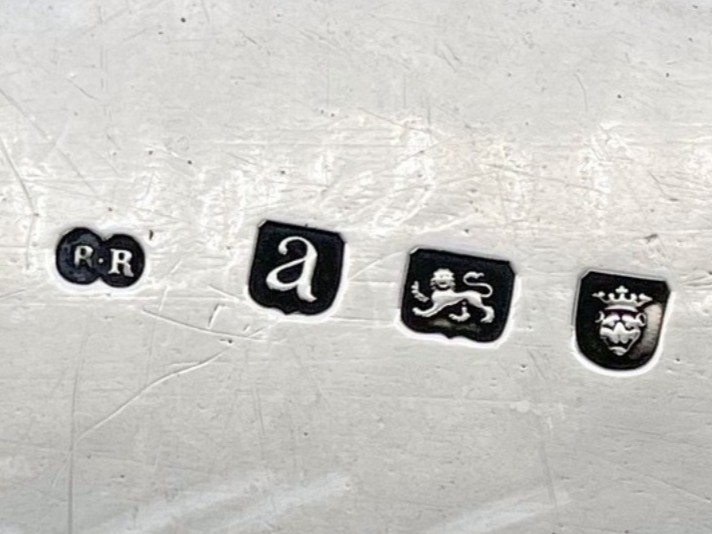
When you hold a piece of precious jewellery, it carries more than beauty. It carries a story. Hidden on the inside - small, discreet and expertly formed - are a series of marks that have protected customers for over 700 years. These are the hallmarks, symbols that quietly reassure you that your piece is genuine and responsibly made. A hallmark isn’t just a stamp. It’s a promise. It confirms that independent experts have tested the metal and certified that it meets strict legal purity standards. It also reveals where in the UK the piece was tested, when it was passed, and the maker who stood proudly behind it.
A tradition of trust and protection.
Where it all began.
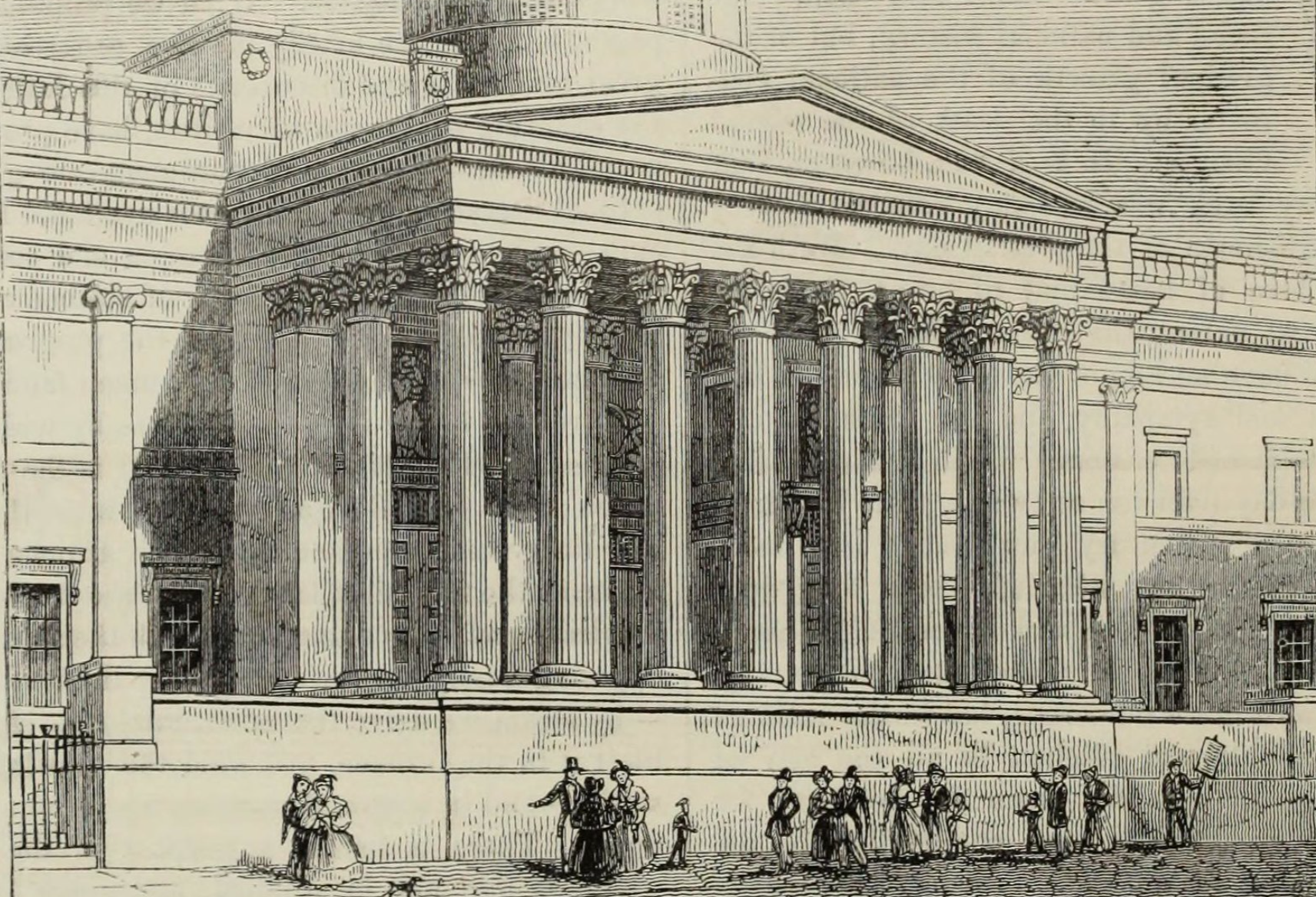
The story begins in 1300, when King Edward I introduced a simple but powerful idea: that anyone buying gold or silver should be protected. From that moment, no precious metal could be sold unless it had been checked and marked by authorised experts. The very first symbol was the leopard’s head, still proudly used by the London Assay Office. Imagine the craftsman, the tools, the medieval workshop - and the same symbol now stamped inside jewellery today. Few traditions in the world have remained so unchanged. By 1363, every goldsmith was required to have their own unique mark, allowing their work to be identified and trusted. It created accountability, but it also created pride. Makers wanted their mark to mean something.
Where it all began.
Guardians of Purity.
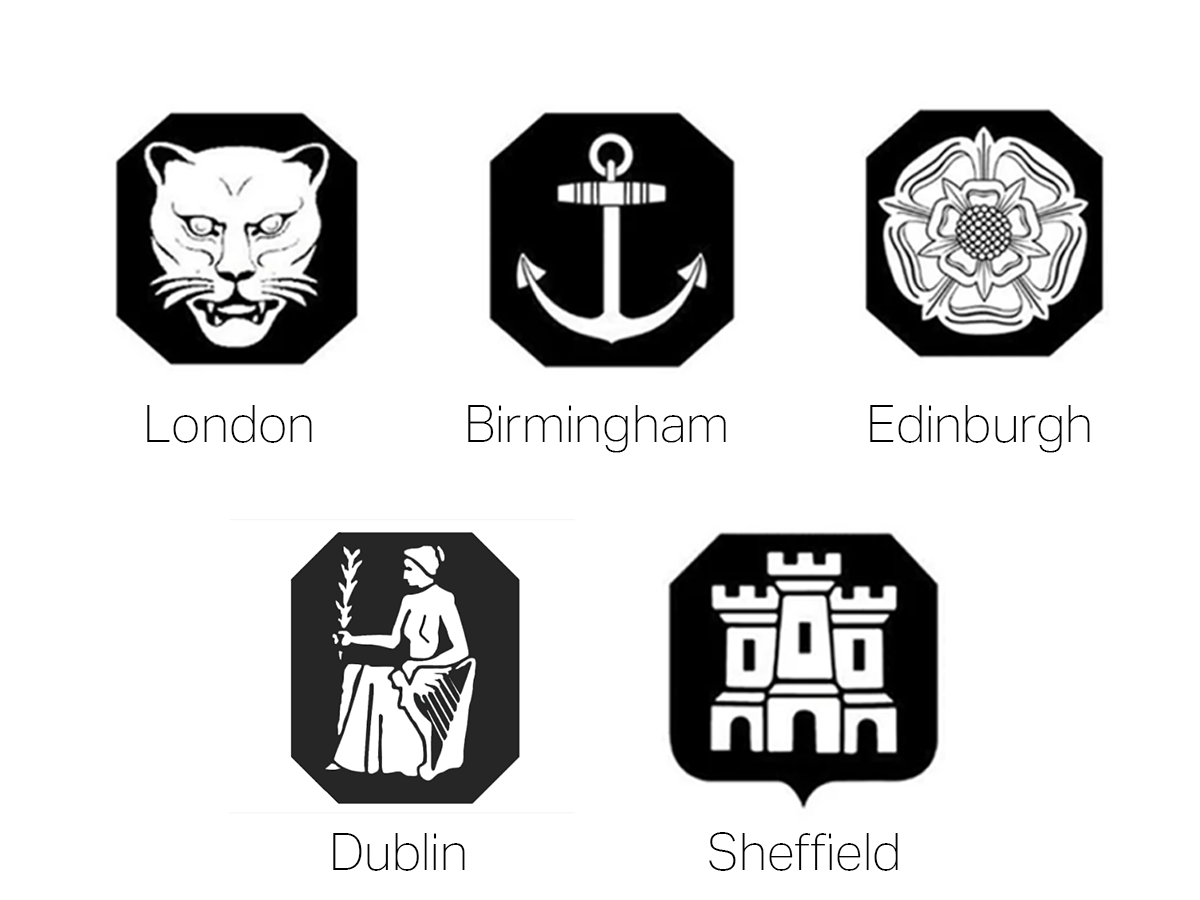
Over the centuries, dedicated Assay Offices were founded across the UK and Ireland, each with its own emblem and its own history. London - The Leopard’s Head, used since the 1300s. Edinburgh - The Castle, a symbol in use since the 15th century. Birmingham - The Anchor, chosen after meetings in the Crossed Anchors Tavern. Sheffield - The Crown, later replaced by the Yorkshire Rose in 1975. Dublin - The Harp, granted under a royal charter in 1637. Each office has been, and still is, a guardian of trust - ensuring that every piece of jewellery offered to the public is precisely what it claims to be.
Guardians of Purity.
What a mark tells you.
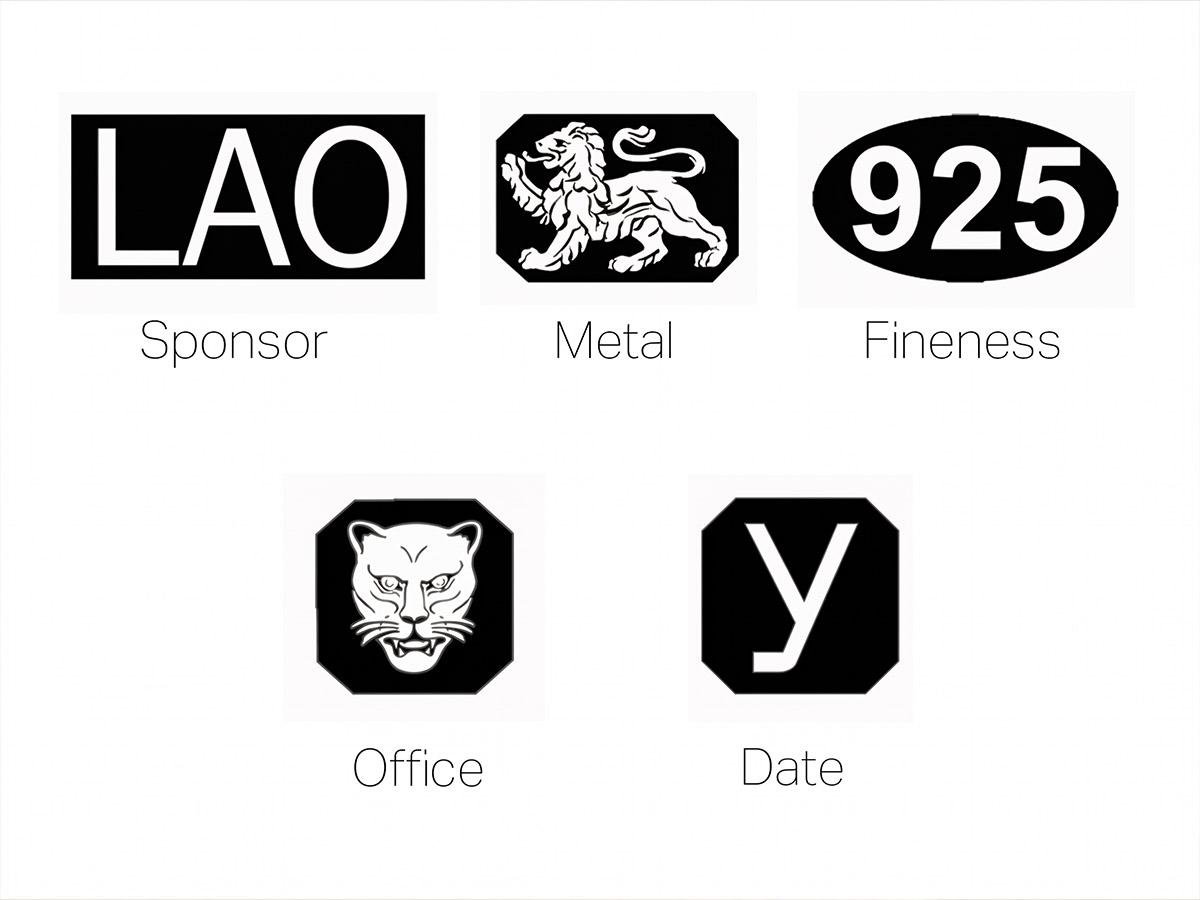
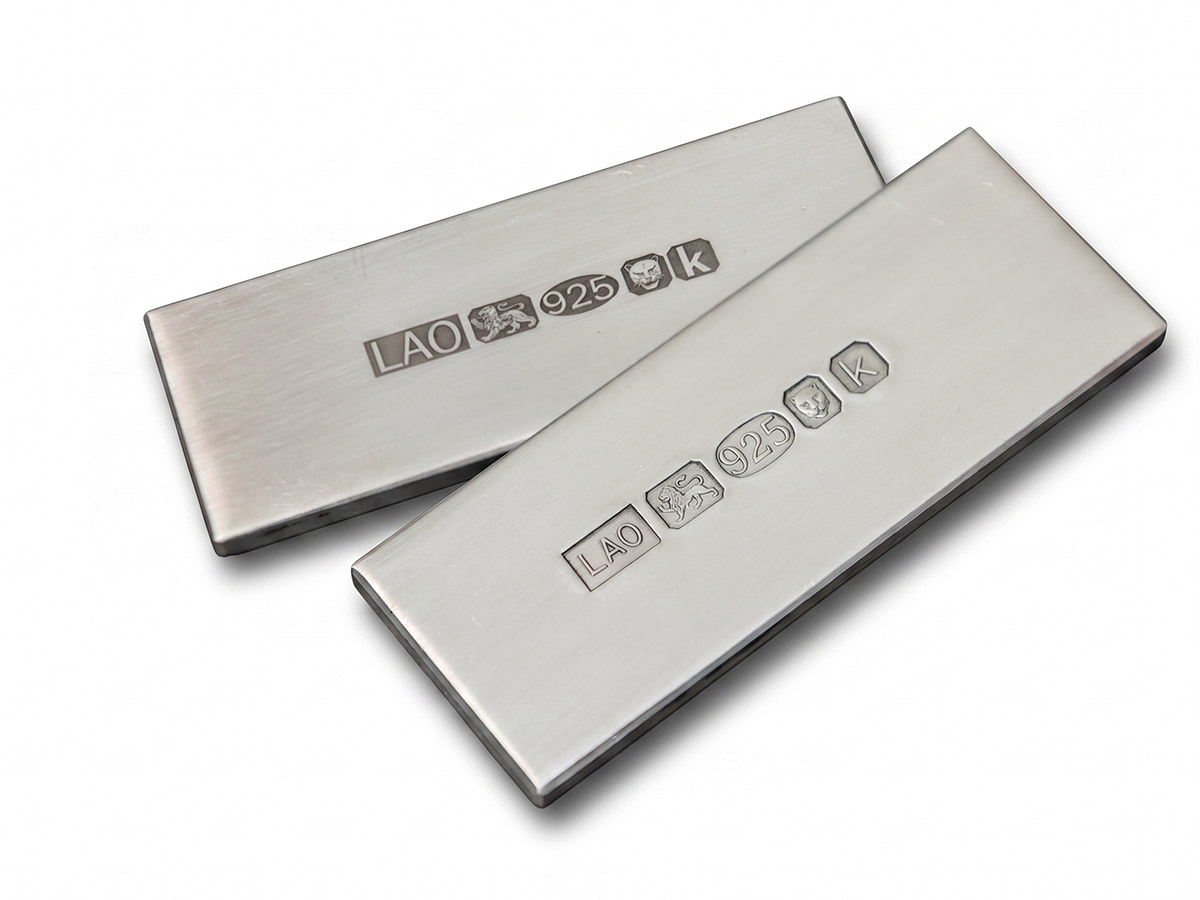
The first mark is the Sponsor’s or Maker’s Mark. It tells you who sent an item in for assay; the mark consists of their initials inside a shield shape. The second and third marks are the Traditional and Fineness marks. The Traditional Fineness Mark tells you which metal an item is made from. The Fineness Mark indicates how pure it is, with a rating of 0-1000. A 999 mark means that the precious metal is pure. The fourth mark tells you which Assay Office tested and hallmarked an item. The fifth mark is the date letter. This tells you when an item was hallmarked. The date letter changes every year on January 1.
What a mark tells you.
Hallmarking today.
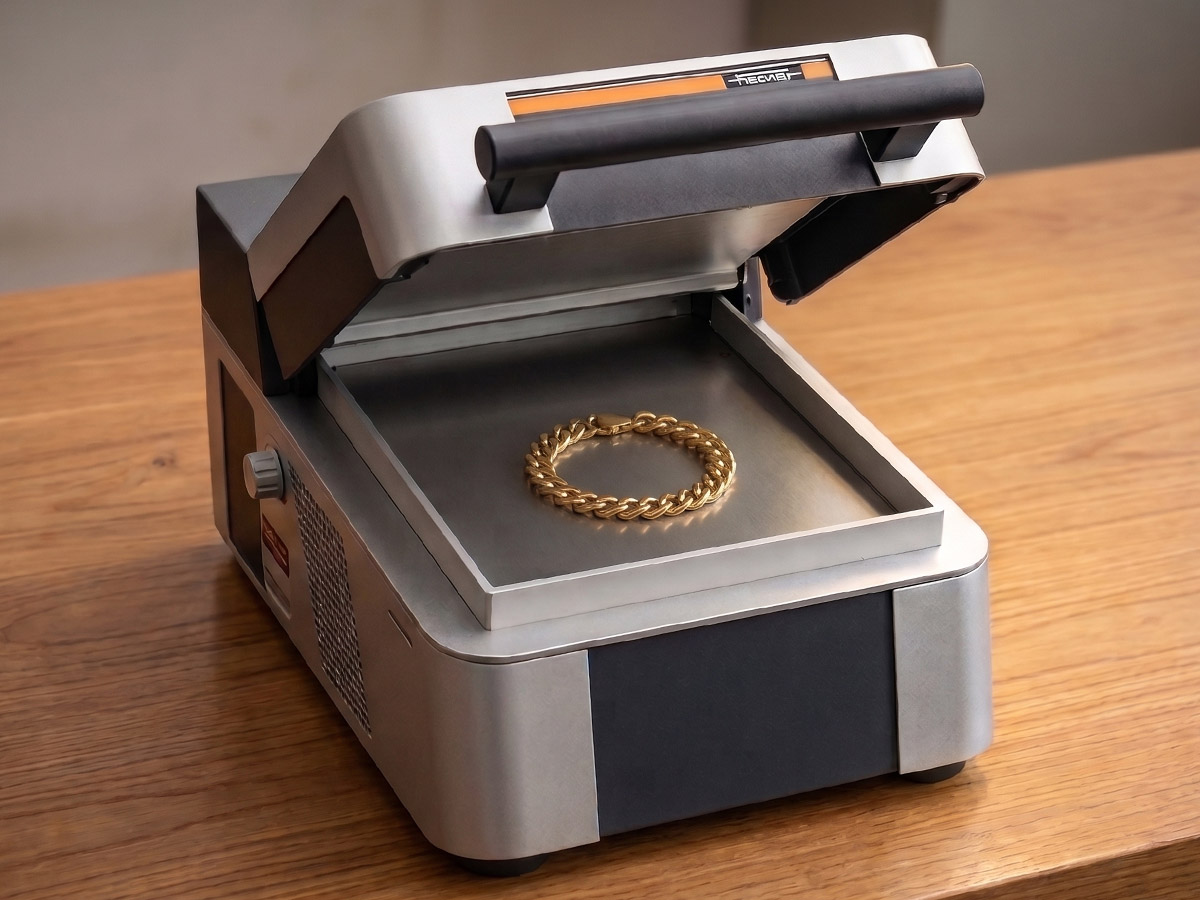
Although the symbols have remained, the methods have evolved. Today, sophisticated techniques such as X ray, spectroscopy, laser engraving, and digital certification ensure accuracy while protecting the piece itself. The UK is also a member of the International Hallmarking Convention, meaning your hallmarked jewellery is recognised and trusted across participating countries. Yet despite the technology, the heart of hallmarking hasn’t changed: Integrity - Transparency - Protection.
Hallmarking today.
Types of marking.
Many items being sent for hallmarking are finished, so striking them with a traditional punch can cause damage; laser marking prevents this from happening.
Types of marking.
Why it matters.
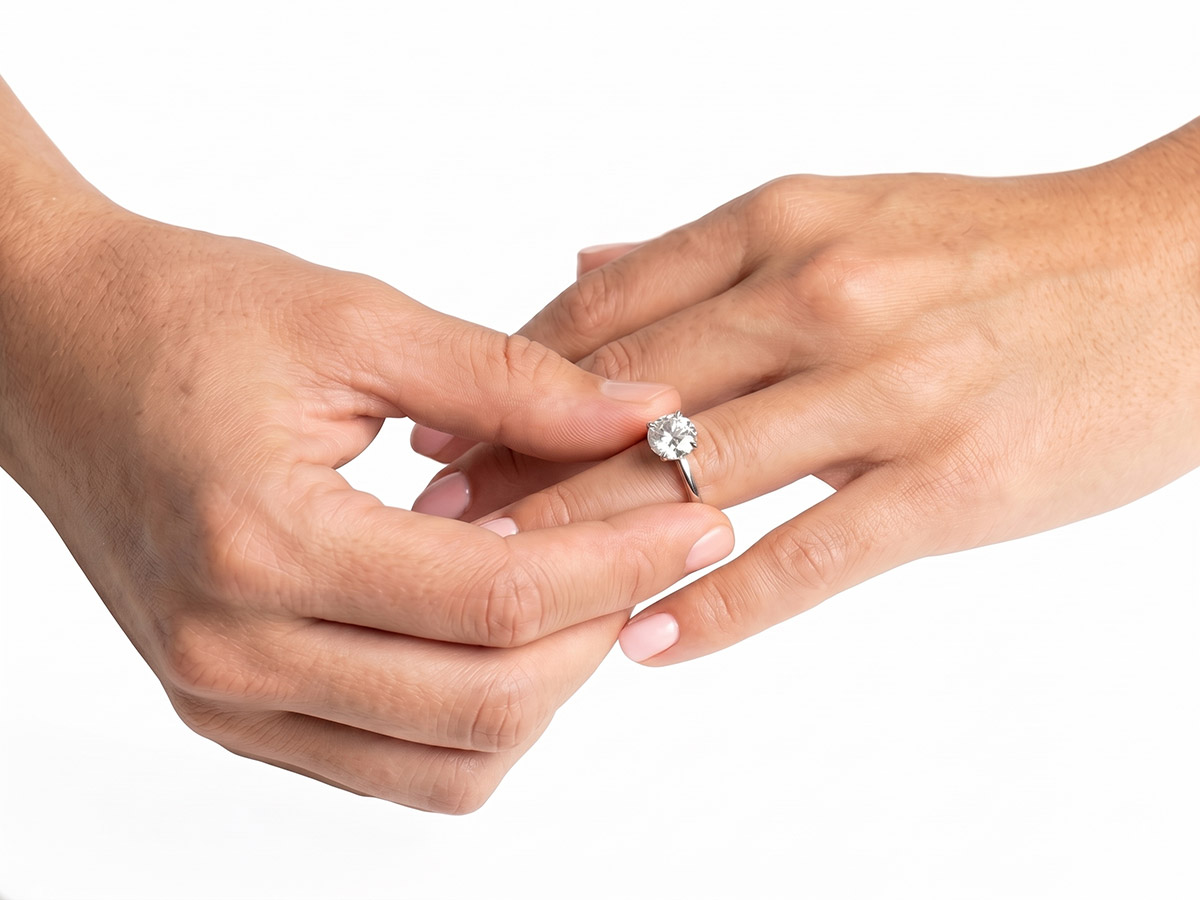
Jewellery often celebrates life’s most meaningful moments - engagements, anniversaries, memories passed from one generation to the next. Hallmarks ensure that what you give, wear or inherit is genuine and stands the test of time. They are small symbols with a big story. A centuries-old promise, preserved in every piece.
Why it matters.
More episodes
-
Meet CMS
Welcome to my world of jewellery design and making beautiful things.
-

New website is here.
After much planning, designing, and refining, the new website is finally live. This phase marks a major step forward, combining years of jewellery experience with modern technology to create something truly personal and interactive.
-

My new design studio.
The new studio is finally complete. Those who remember the old space, now transformed into my workshop, will understand why I find such inspiration and joy designing here.
-
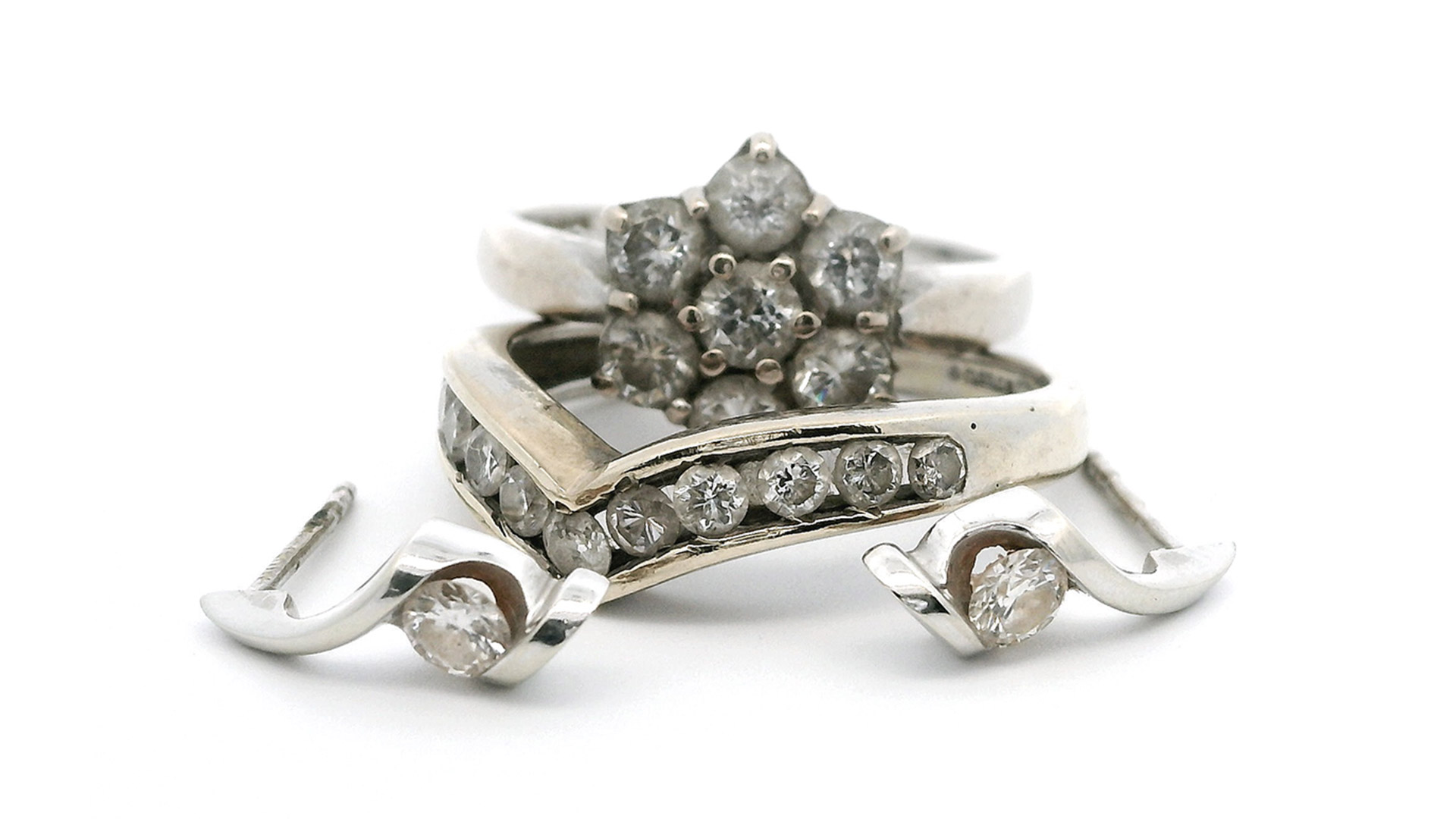
Rejuvenating jewellery.
We all have jewellery in a draw that says make a decision, sell me or give me a new life!
-
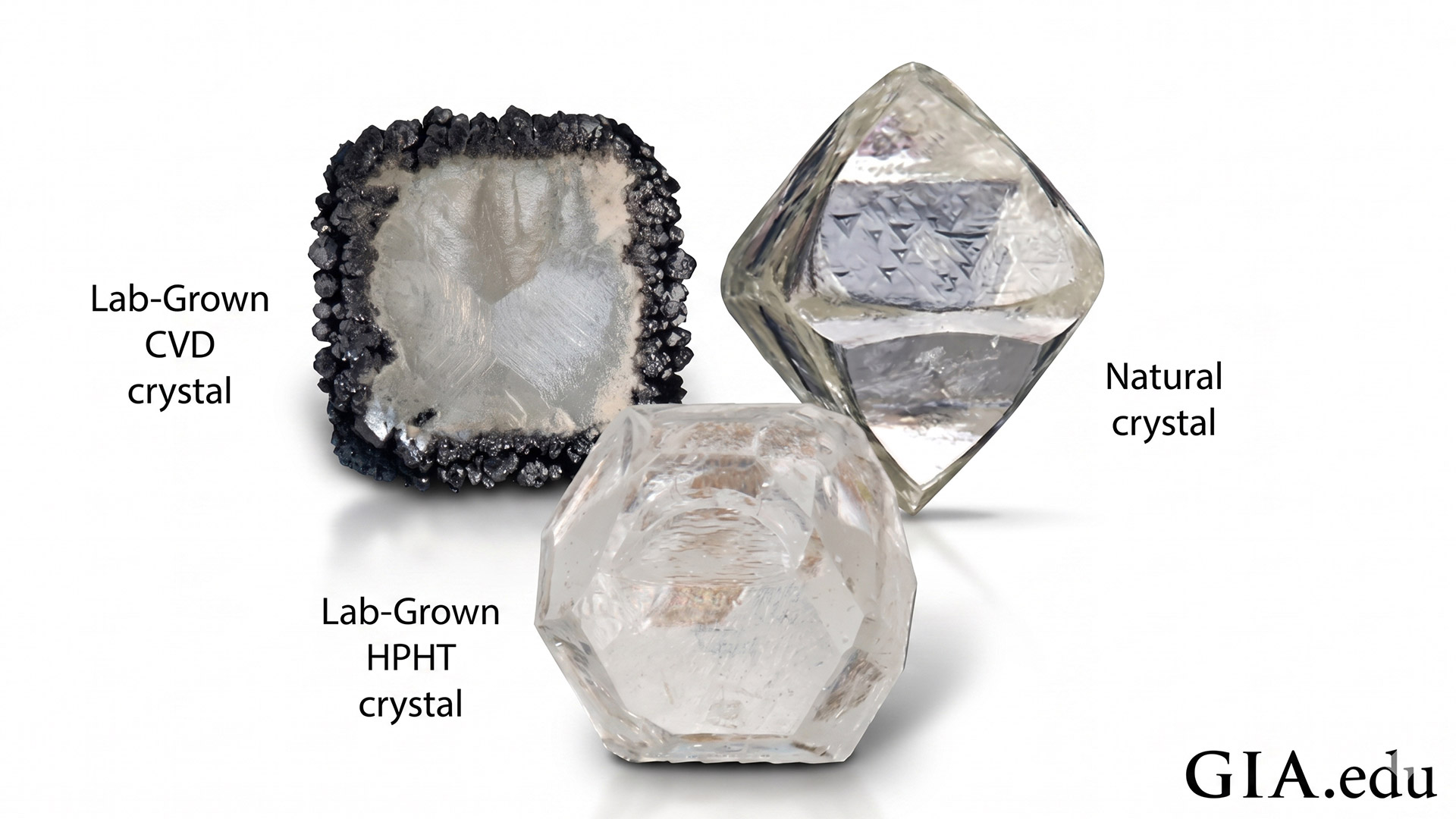
Natural v Lab grown diamonds.
-
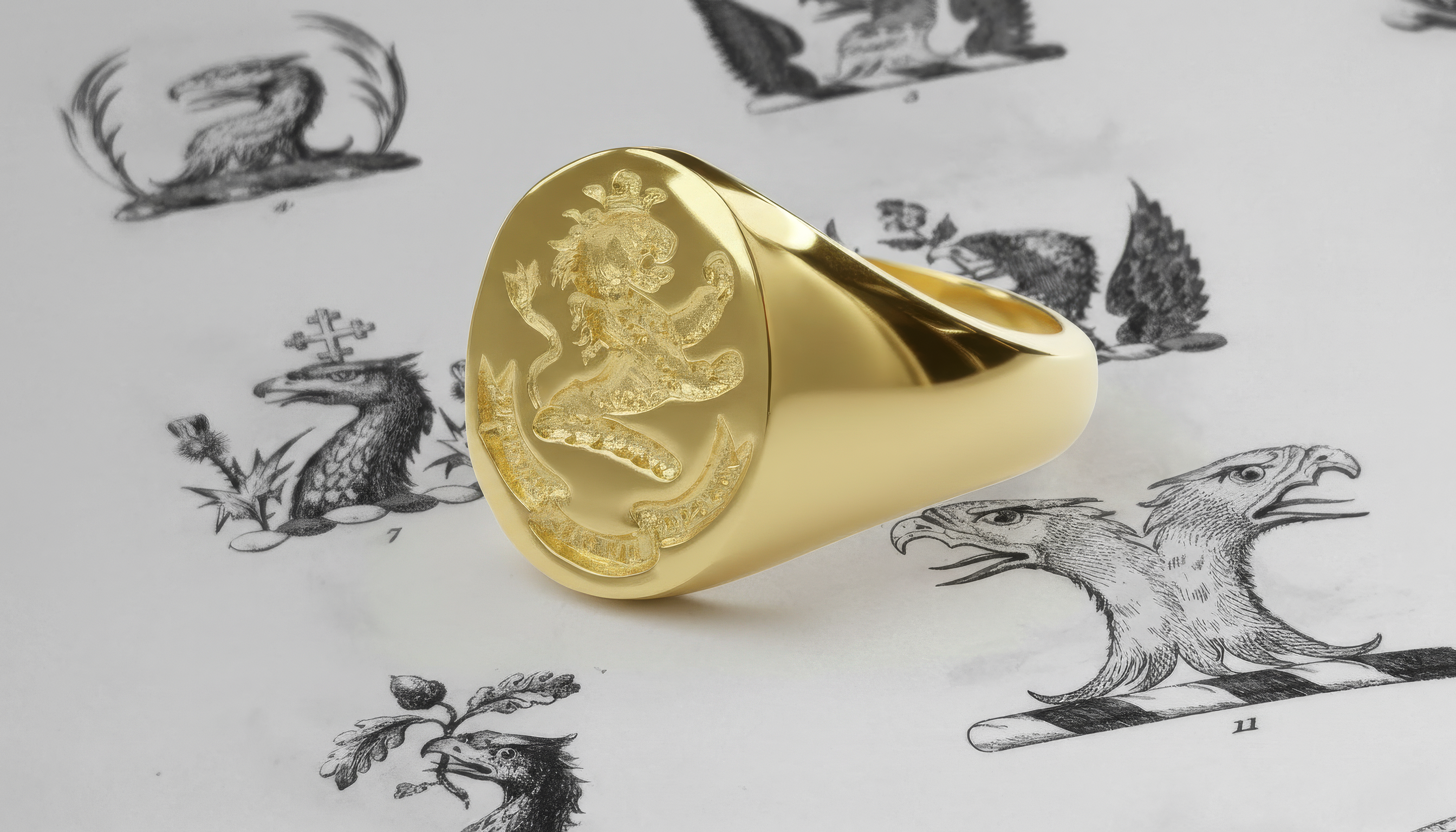
History of signet rings.
Over 4000 years ago Egyptians used signet rings to declare their social status or family. The face featured distinctive hieroglyphs carved deeply into the metal, containing identifying information. Documents were sealed and signed by pressing the ring's carved surface into soft wax.
Subscribe to Studio talk
We aim to send out a newsletter once a month or so. If you’re interested in learning more about jewellery and bespoke design, please consider subscribing. Simply enter your details below: