What's the difference?
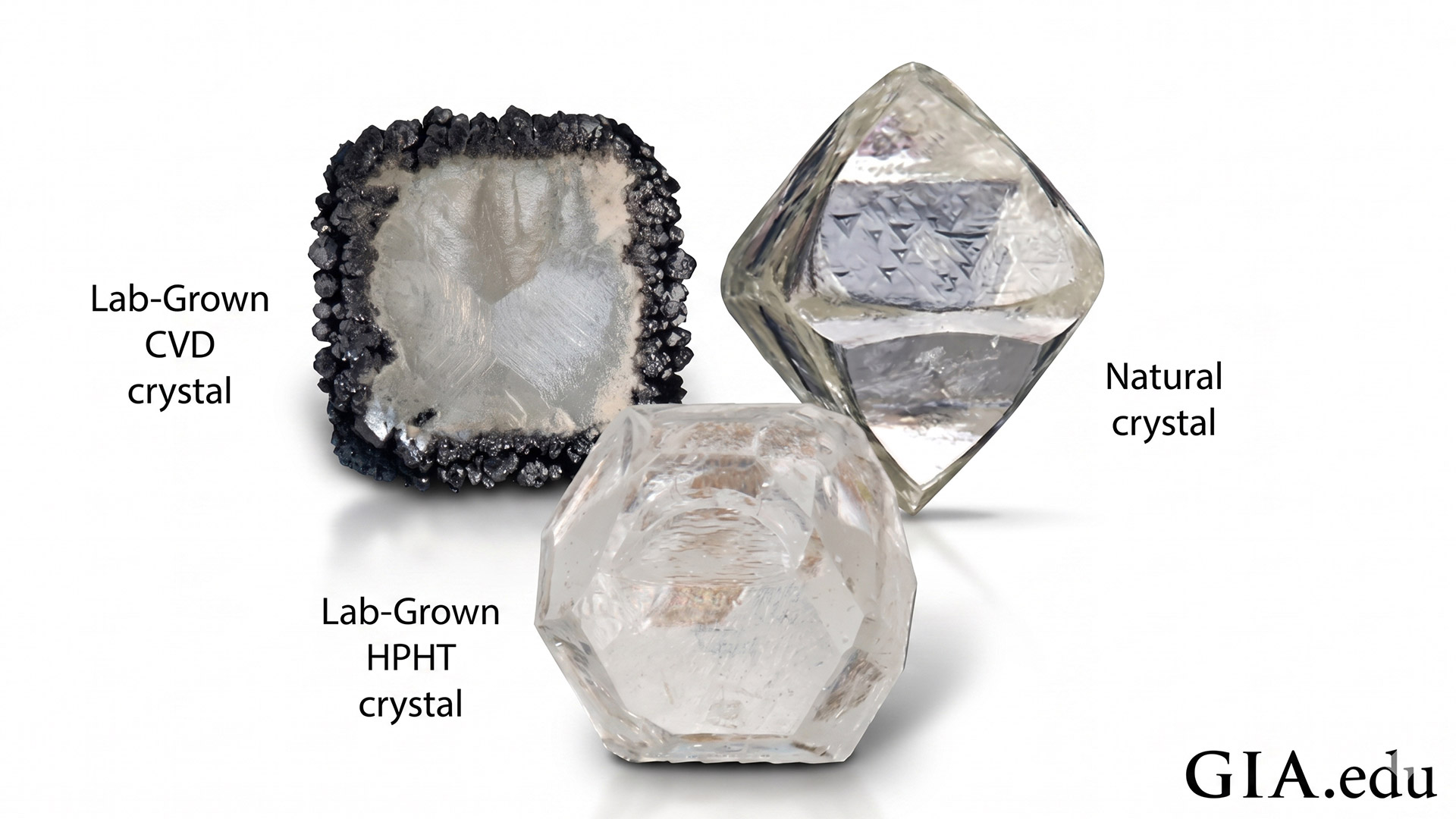
Both Natural and Lab-Grown diamonds are pure crystallised carbon - identical in appearance, composition, and durability. However, their origins are remarkably different. Natural diamonds formed billions of years ago deep beneath the Earth’s surface, created under immense heat and pressure before being brought to the surface by volcanic activity. They are mined in several countries around the world, with the earliest known discoveries in India more than 4,000 years ago. Lab-Grown diamonds, by contrast, are created in advanced laboratories that replicate the same natural conditions of heat and pressure. The process takes only days or weeks, depending on the size of the diamond, producing results that are visually and chemically identical to those found in nature.
What's the difference?
How do you decide?
Both Natural and Lab-Grown diamonds are classified as genuine diamonds. They can only be distinguished using advanced gemmological equipment in specialist laboratories. Certification is carried out by internationally recognised institutes such as the GIA (Gemological Institute of America) and IGI (International Gemological Institute). These laboratories use sophisticated techniques - including measurements of light refraction, fluorescence, phosphorescence, colour distribution, and inclusion analysis - to detect the subtle differences in a diamond’s crystal growth patterns. It is these microscopic structural details that reveal whether a diamond originated deep within the Earth or was created in a laboratory above it.
How do you decide?
Made by machine.
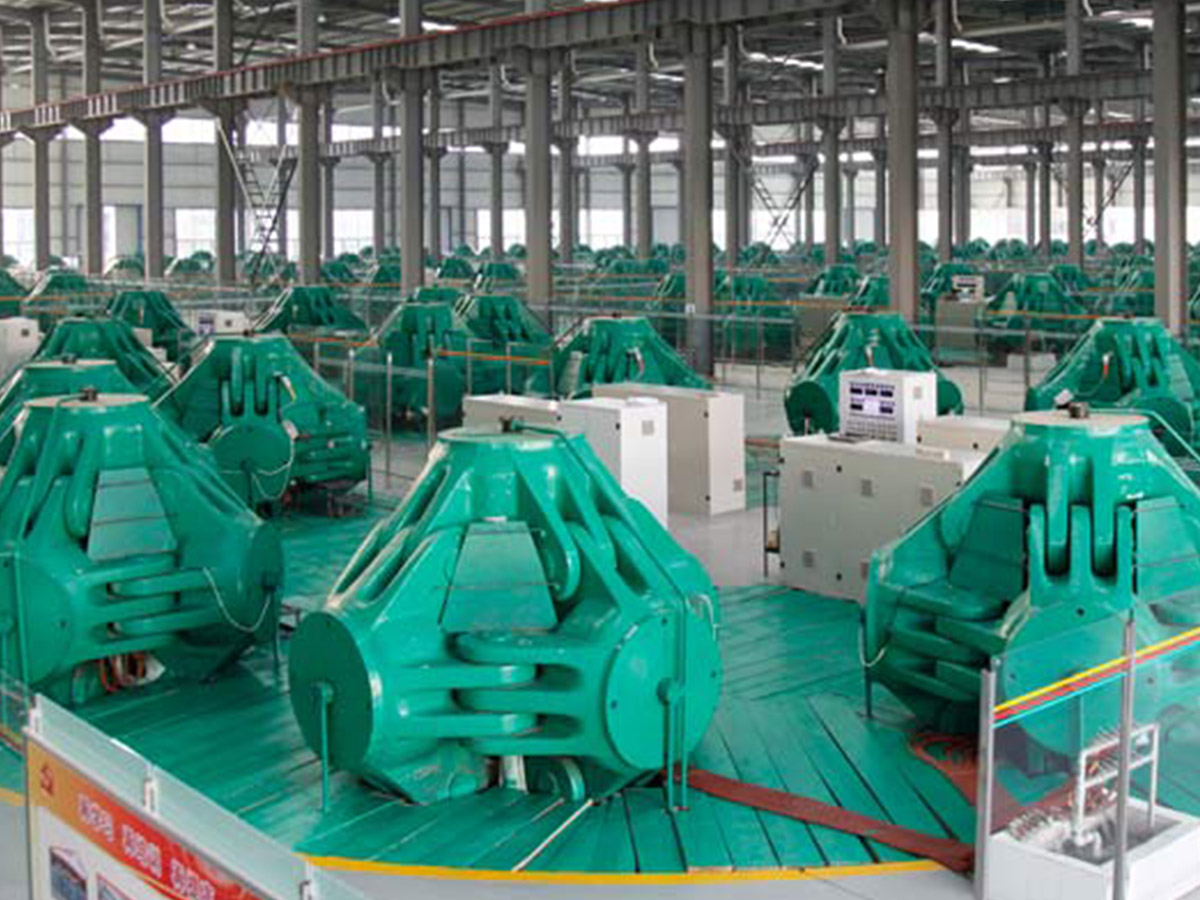
Laboratory-grown diamonds are created using one of two advanced technologies: High-Pressure, High-Temperature (HPHT) or Chemical Vapour Deposition (CVD). HPHT replicates the intense heat and pressure found deep within the Earth’s mantle. This method has been in use since the 1950s, initially producing small industrial-grade diamonds known as melee. Over time, technological advancements have enabled the creation of larger gem-quality diamonds. CVD uses a different approach, where carbon atoms are deposited onto a small diamond “seed” plate inside a vacuum chamber. Layer by layer, the diamond crystal grows, eventually forming a rough stone ready for cutting and polishing. Both processes require significant energy to reproduce the natural conditions that form diamonds underground.
Made by machine.
Environmental & Ethical Considerations.
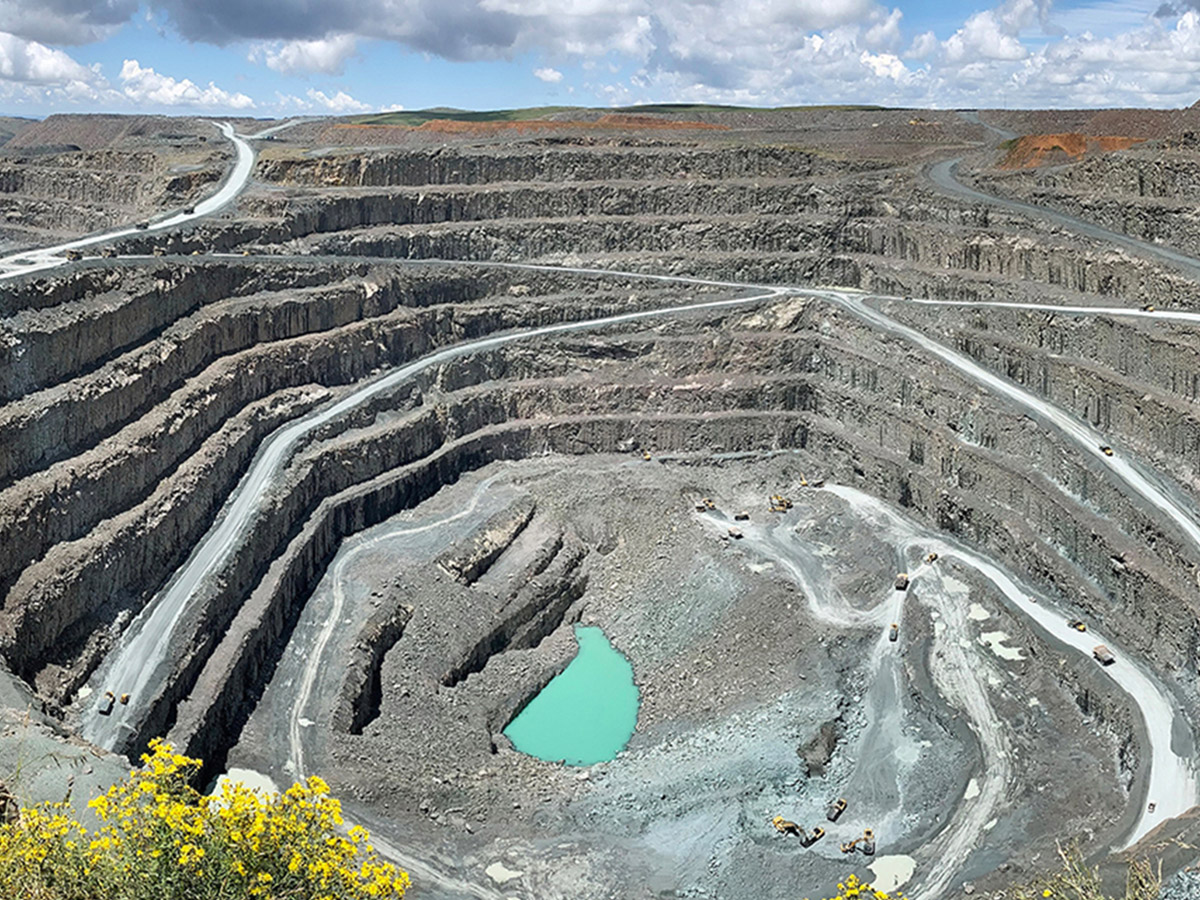
Historically, most diamonds have been mined, a process that involves excavating vast areas of land and processing large volumes of material to recover the crystals. In the 1990s, concerns arose over diamonds mined in certain African countries being used to fund conflicts. To address this, the United Nations introduced the Kimberley Process, an international certification system designed to ensure diamonds are ethically sourced and conflict-free. While mining remains a vital industry that supports communities, it also carries environmental and social impacts. Laboratory-grown diamonds consume significant amounts of energy, depending on the size of the crystal being grown. However, with the growing adoption of renewable energy, this environmental footprint is expected to be gradually reduced.
Environmental & Ethical Considerations.
Difference in price.
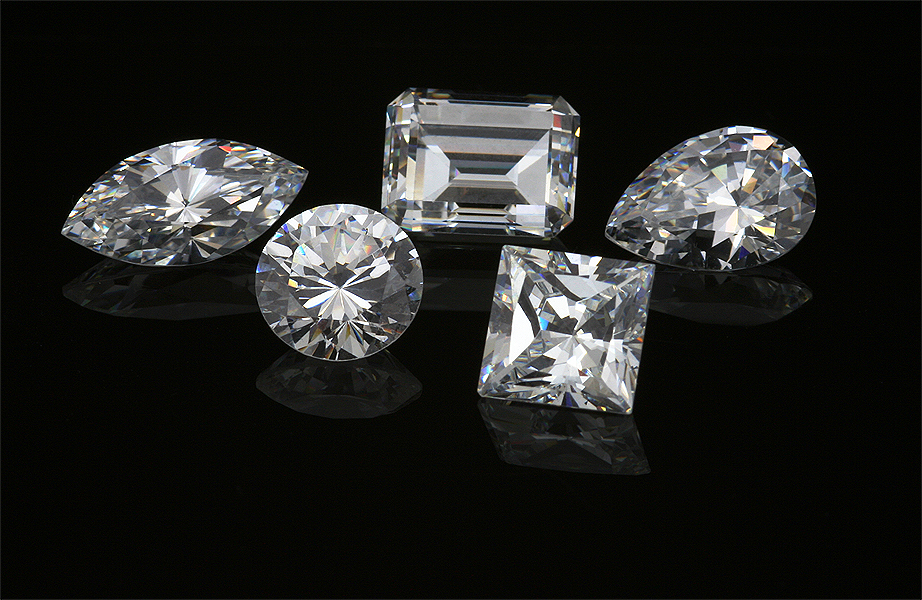
Whether sustainability is your priority or price is the deciding factor, the difference between Natural and Laboratory-Grown diamonds can be significant. The cost of a diamond depends on its size, colour, clarity, and cut quality, but as an example: This design features a stunning 2-carat E VS1 triple-excellent centre diamond with smaller brilliant diamonds set in platinum. • Natural diamonds circa £30,000 • Lab-grown diamonds circa £5,000 Both are visually identical and professionally certified - the choice simply depends on your values, budget, and the story you wish your diamond to tell.
Difference in price.
Choice is always good.
Ultimately, the choice is personal. Some people are drawn to the age, rarity, heritage, and long-term value of a Natural diamond, supported by ethical sourcing and conflict-free certifications such as the Kimberley Process. Others prefer the innovation, transparency, and affordability offered by Laboratory-Grown diamonds - an increasingly popular choice, particularly among younger generations. Both represent genuine diamonds. The decision lies in what matters most to you: origin, tradition, sustainability, or price.
Choice is always good.
Need to know more.
Always ask if you require more information; it's a fascinating subject.

Need to know more.
More episodes
-
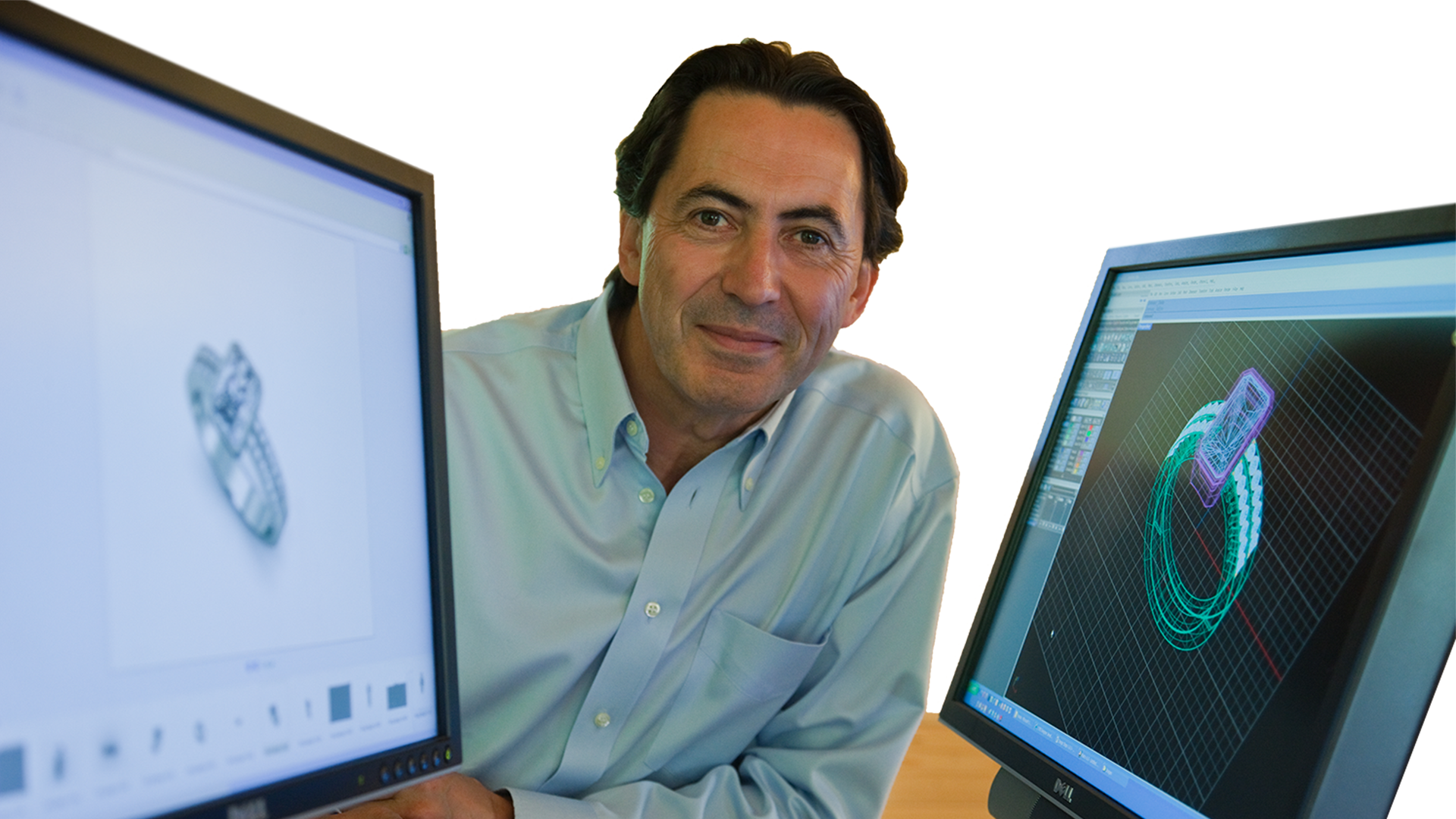
Meet CMS
Welcome to my world of jewellery design and making beautiful things.
-

New website is here.
After much planning, designing, and refining, the new website is finally live. This phase marks a major step forward, combining years of jewellery experience with modern technology to create something truly personal and interactive.
-

My new design studio.
The new studio is finally complete. Those who remember the old space, now transformed into my workshop, will understand why I find such inspiration and joy designing here.
-
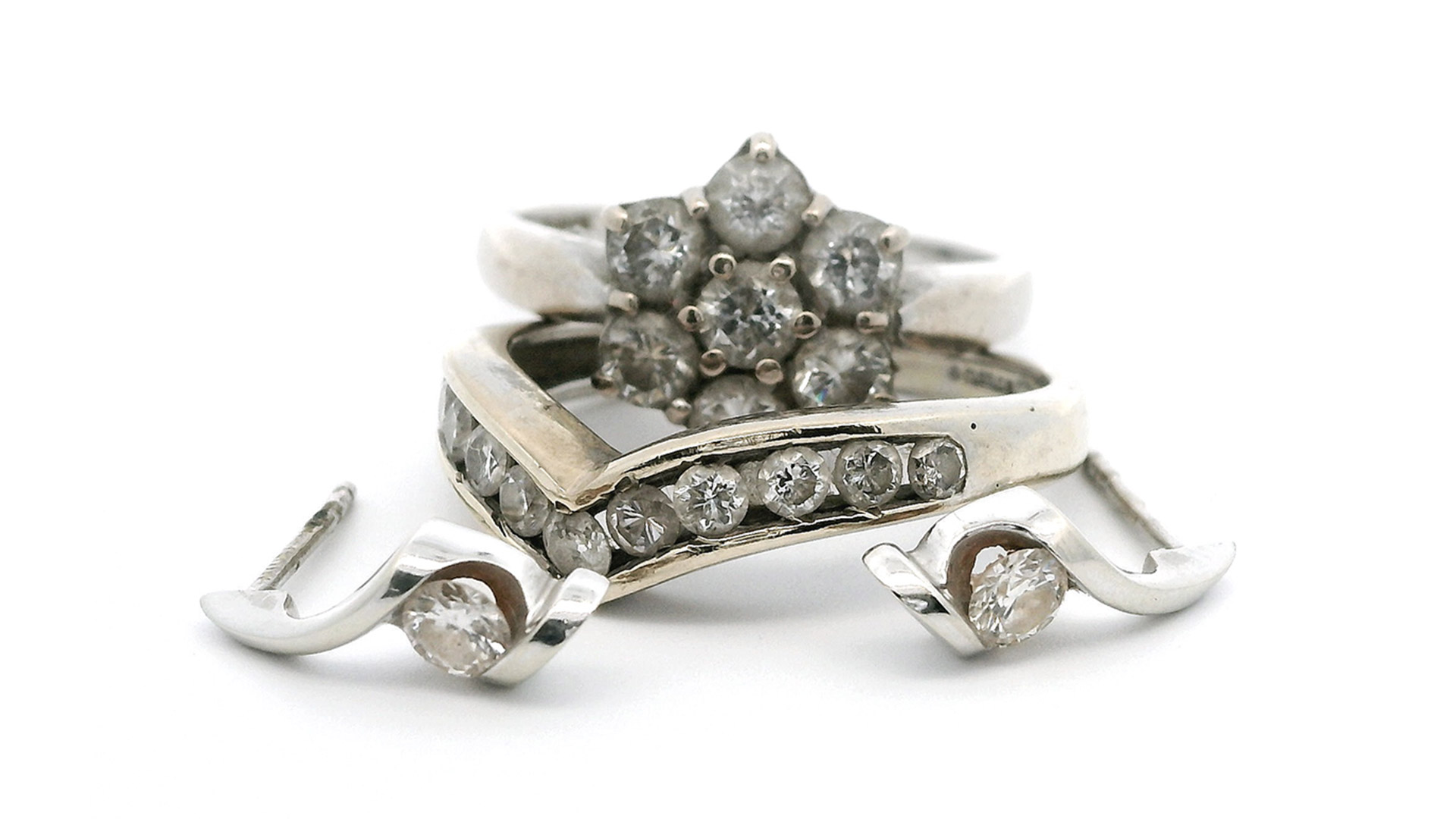
Rejuvenating jewellery.
We all have jewellery in a draw that says make a decision, sell me or give me a new life!
-
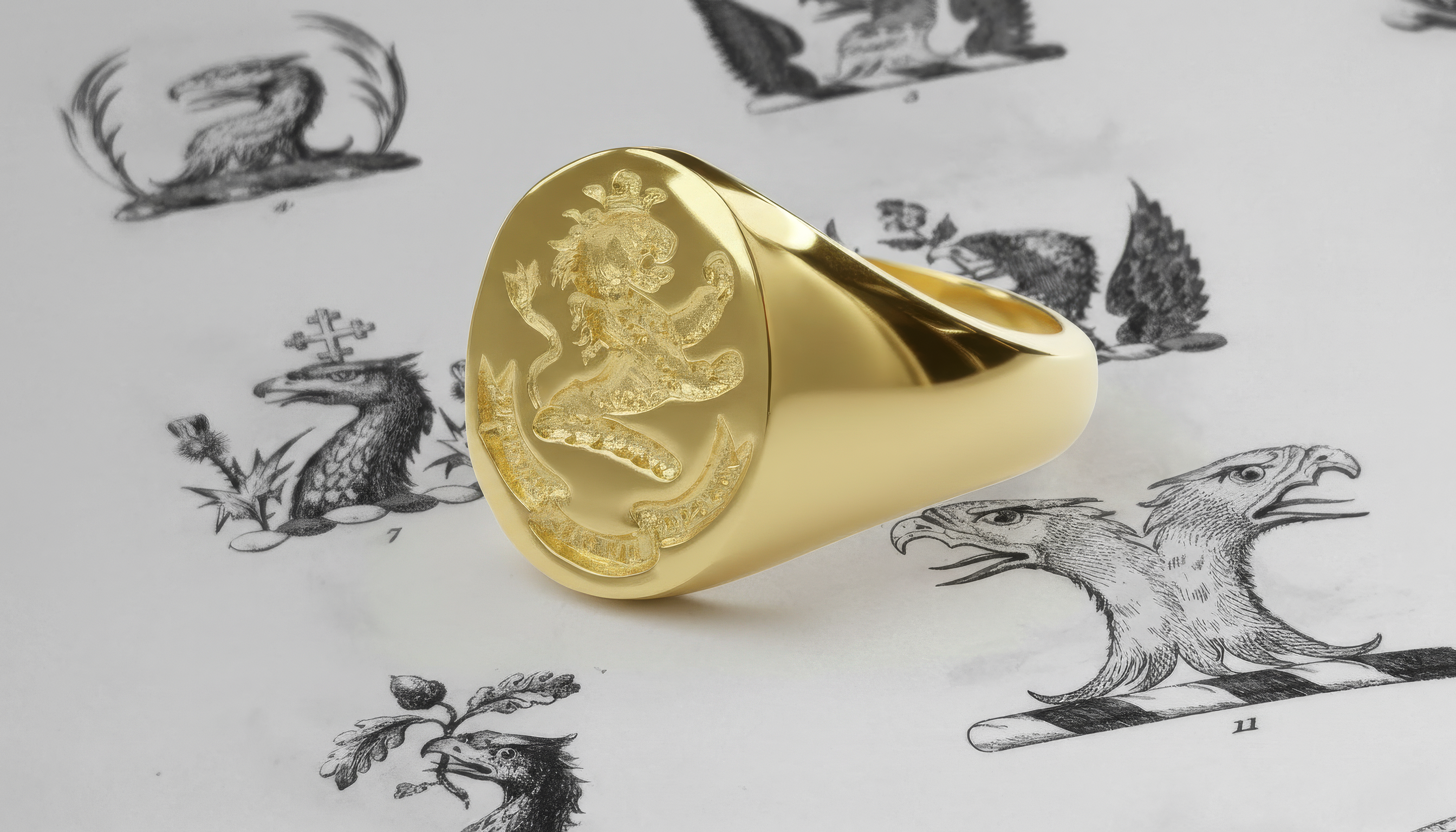
History of signet rings.
Over 4000 years ago Egyptians used signet rings to declare their social status or family. The face featured distinctive hieroglyphs carved deeply into the metal, containing identifying information. Documents were sealed and signed by pressing the ring's carved surface into soft wax.
-

Story of Hallmarking.
The CMS hallmark is a guarantee of quality and proudly continues the earliest consumer protection, which started in 1300.
Subscribe to Studio talk
We aim to send out a newsletter once a month or so. If you’re interested in learning more about jewellery and bespoke design, please consider subscribing. Simply enter your details below: