Opal Varieties
Types of Australian Opal • Black opal: The rarest and most valuable variety, with a dark body tone and brilliant flashes of colour. It is mined mainly at Lightning Ridge, NSW. • White (light) opal: Has a pale or milky background. It is found mainly at Coober Pedy and Andamooka in SA, and at White Cliffs in NSW. • Boulder opal: Forms within ironstone, so part of the host rock stays attached to the stone. It is mined across western Qld. • Crystal opal: Transparent or translucent, with vivid play of colour. It is found in several fields, including Lightning Ridge and Coober Pedy.
An Introduction to our Opal Story
Our visit to Australia led us to explore the story of the country’s National Gemstone, the opal. Australia produces an estimated 95% of the world’s precious opal, and the stone has made a remarkable journey. After a long reputation as a symbol of misfortune, opal has re-emerged as one of the most exciting gemstones in luxury jewellery design and has become a statement of individuality and rarity. Aiming to understnad their natural history and source opal gemstones for designs, we first visited Lightening Ridge in NSW in 2024 and explored the opal landscape, and in 2026 we flew to Coober Pedy to learn more about the quest for opal and met people who families have been mining opal for many for generations.
An Introduction to our Opal Story
Ancient History
In Rome, 1st century AD Pliny the Elder wrote of opal in his Natural History describing opal as “the gentler fire of the ruby, the rich purple of the amethyst, the sea-green of the emerald, all shining together in an indescribable union.” Indigenous people told a story of the Creator coming to earth on a rainbow, and where his foot touched the ground, the stones came alive with colour.
Ancient History
Opal Mining History
Opal was first found in Australia in the 19th century, and the White Cliffs field in New South Wales became the first major opal rush. Lightning Ridge followed in the early 1900s. Opal had been noticed there years earlier, but its value wasn’t recognised until prospector Charlie Nettleton found black opal, then unseen, and sold the first parcel in 1903. Coober Pedy was found by accident in 1915, when Willie Hutchison, a teenage member of a gold-prospecting party, stumbled on a piece of opal. Development was slow due to war, drought and depression. In 1946, Tottie Bryant, made a significant find at what is now known as the Eight Mile field. Together with the post-war boom, this initiated a rapid rise in production as miners returned to the fields and international markets expanded.
Opal Mining History
Coober Pedy Opal Mining
The name Cooper Pedy comes from the Aboriginal phrase ‘Kupa Piti’ or white man in a hole. Coober Pedy’s opal boom peaked in the 1960s and 1970s, drawing migrants from around the world. Today the population is around 1,500. representing more than 45 nationalities, most relating to the opal mining industry. To escape the desert heat, when summer temperatures can exceed 40°C, many residents live in underground “dugouts”. We stayed here, in Jo’s amazing dugout, built in a former opal mine. Opal forms when water carrying dissolved silica seeps into cracks and cavities in the rock. As the water slowly evaporates, it leaves behind microscopic spheres of hydrated silica (silicon dioxide). Over time these build up into opal. Coober Pedy’s opal is mined mostly underground, at depths of about 25 to 30 metres. Miners locate “trace” by drilling, sink shafts, tunnel outwards, and lift the ore to the surface with powerful vacuum-style blowers.
Coober Pedy Opal Mining
Opals unique colours
Opal’s colour isn’t from pigment, as it is in a ruby or an emerald. It comes from structure. Opal is made of tiny spheres of silica, stacked in orderly layers, with water filling the gaps between them. When light enters the stone, it bends around the spheres and splits into the colours of the spectrum. This is called diffraction, and the flashing colours that shift as you move the stone are known as ‘play of colour’ The colour you see depends on the size of the spheres. Smaller spheres diffract shorter wavelengths, giving violets and blues, while larger ones produce greens, oranges and reds. Red is the rarest, as the largest spheres are packed in near-perfect order. The arrangement of spheres also matters. In precious opal, the spheres are uniform and neatly stacked, which is what creates the play of colour. In common opal, often called potch, the spheres are uneven or jumbled, so the light isn’t diffracted and the stone stays milky or plain. This is also why opals vary so much from field to field. At Coober Pedy, the lighter body tone of white opal gives a softer, pastel play of colour. At Lightning Ridge, the dark body of black opal acts like a backdrop, so the same flashes look deeper and more intense.
Opals unique colours
Opal varieties
Black opal is the rarest and most valuable variety of solid opal with a dark body tone and brilliant flashes of colour. It is mined mainly at Lightning Ridge, NSW. White (light) opal, also solid, has a pale or milky background. It is found mainly at Coober Pedy. Boulder opal forms within ironstone, so part of the host rock stays attached to the stone. Solid crystal opal is transparent or translucent, and is found in several fields, including Lightning Ridge and Coober Pedy. Doublets & Triplets are about colour at a lower price than solid opal. Doublets join a thin slice of natural opal to a dark backing, which deepens the colour and makes use of seams too slim to set as solid stones. Triplets add a clear quartz or glass cap that protects the opal and brightens the colour.
Opal varieties
Opal Cutting
Opal cutting begins with selecting the rough stone and studying how its colour is distributed, then deciding which areas will form the gem’s surface. The cutter then uses a diamond saw or coarse grinder to shape the stone, bringing out its best colour and creating the most desirable form.
Opal Cutting
Opals ready for designs
Australian opals waiting for designs
Opals ready for designs
More episodes
-
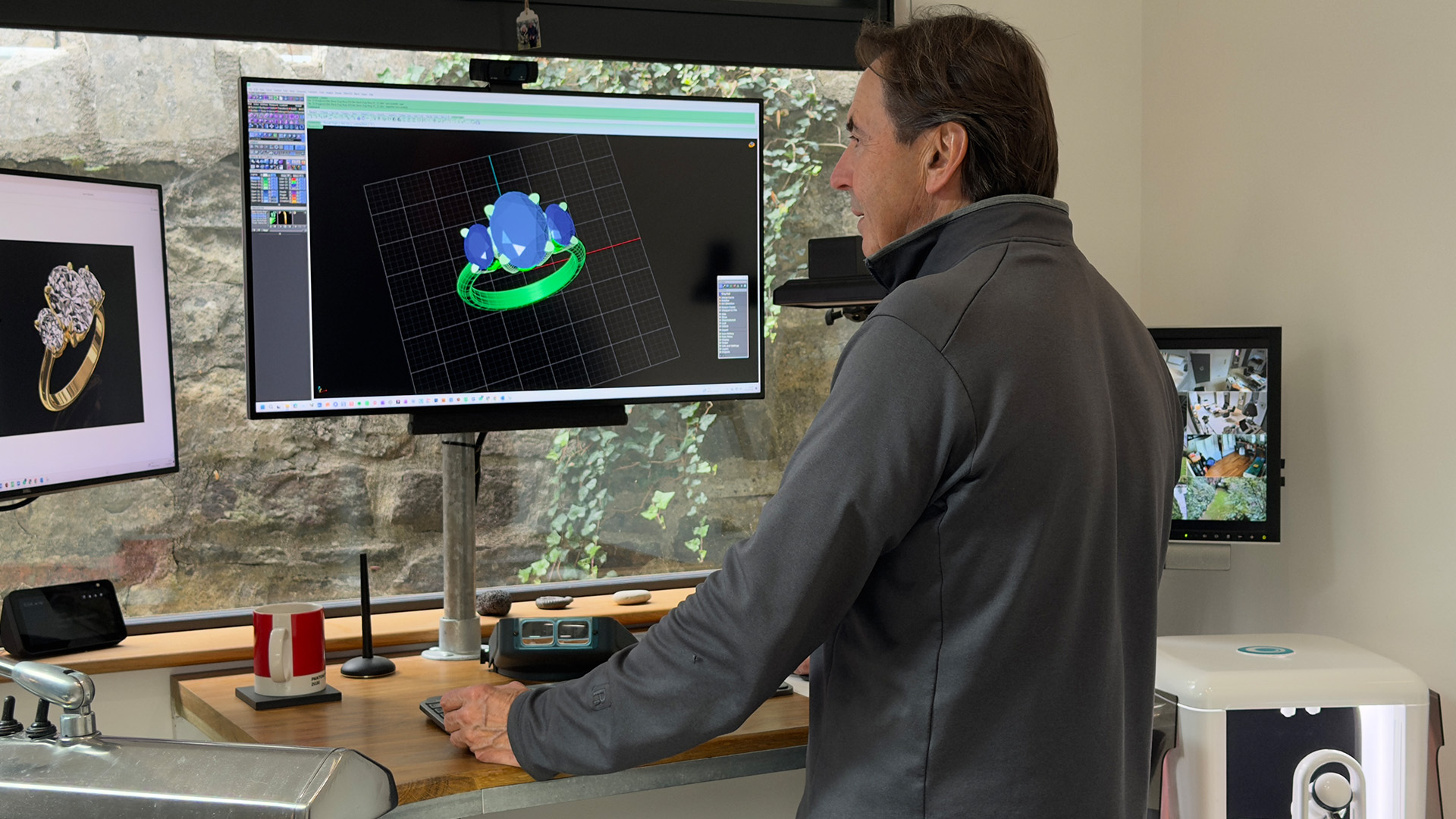
Behind the scenes.
My world of jewellery design and making beautiful things.
-
New website is here.
After much planning, designing, and refining, the new website is finally live. This phase marks a major step forward, combining years of jewellery experience with modern technology to create something truly personal and interactive.
-
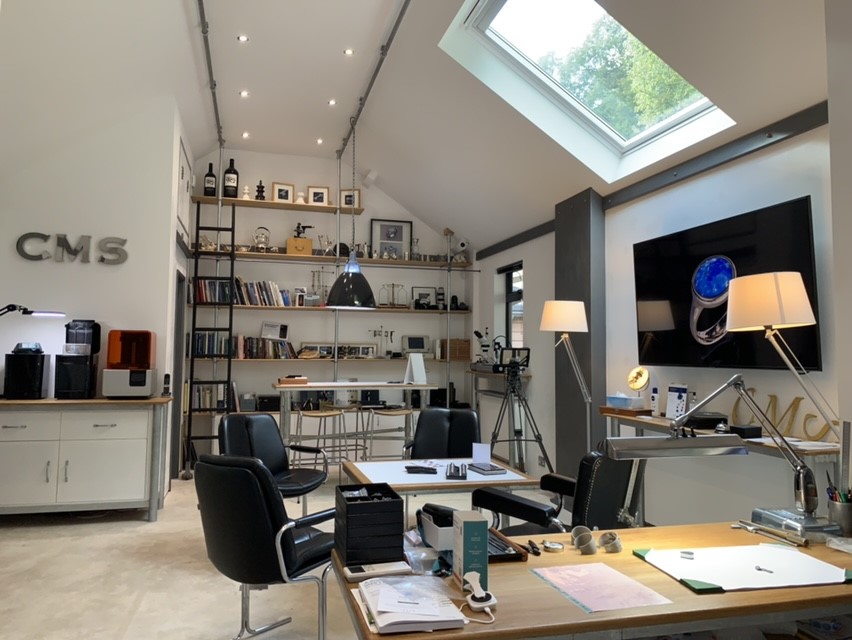
My new design studio.
The new studio is finally complete. Those who remember the old space, now transformed into my workshop, will understand why I find such inspiration and joy designing here.
-
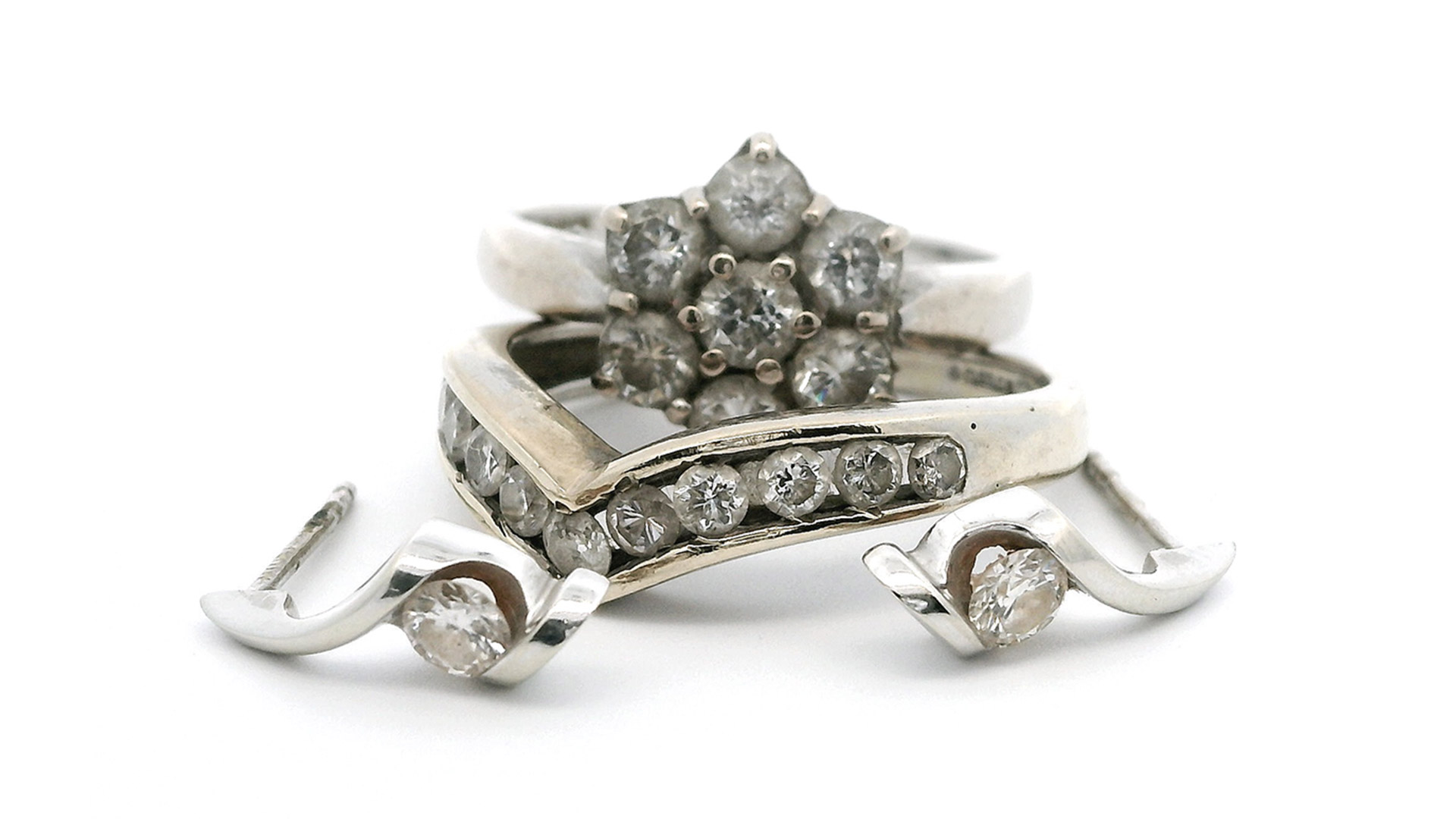
Rejuvenating jewellery.
We all have jewellery in a draw that says make a decision, sell me or give me a new life!
-
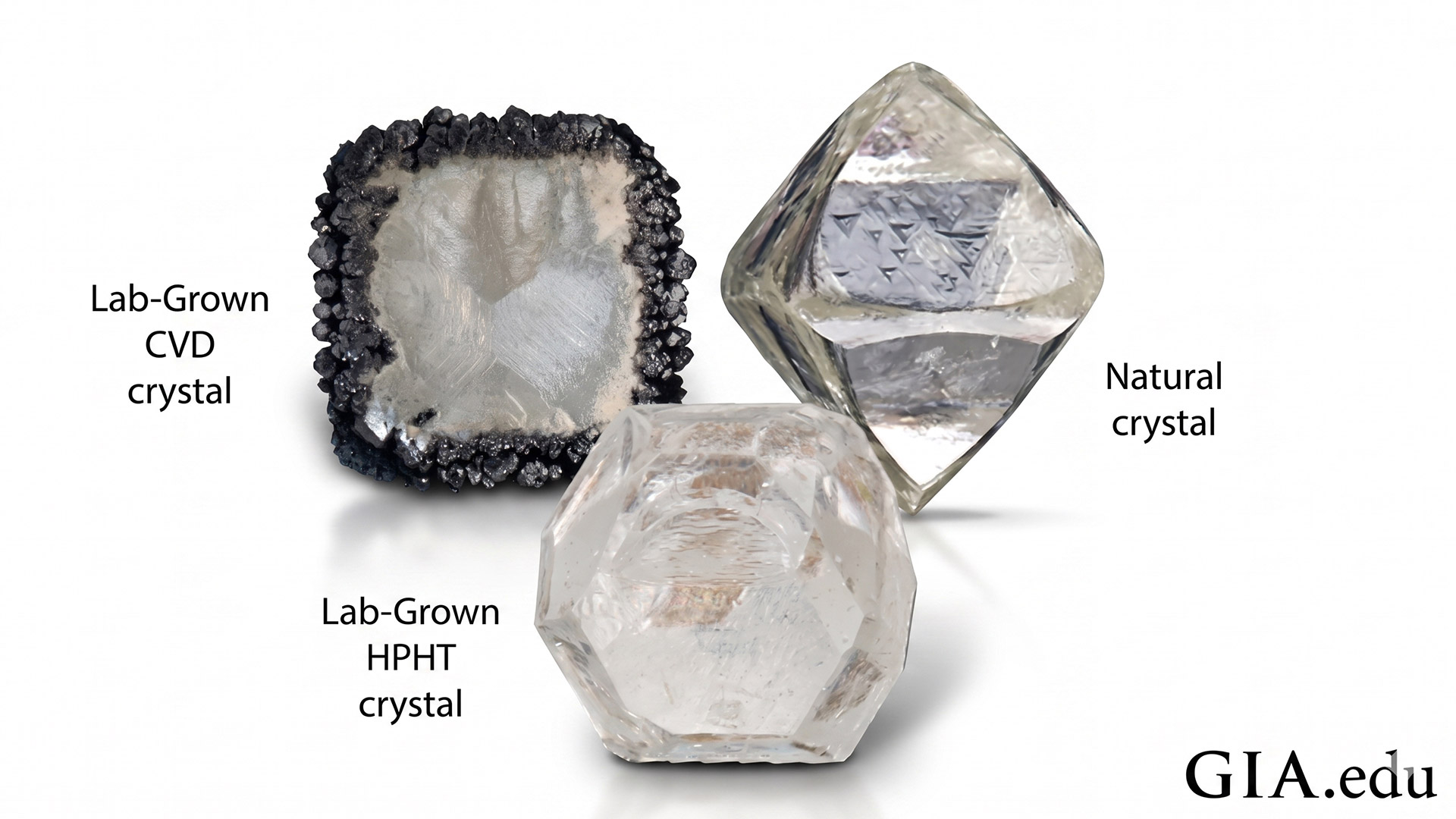
Natural v Lab grown diamonds.
-
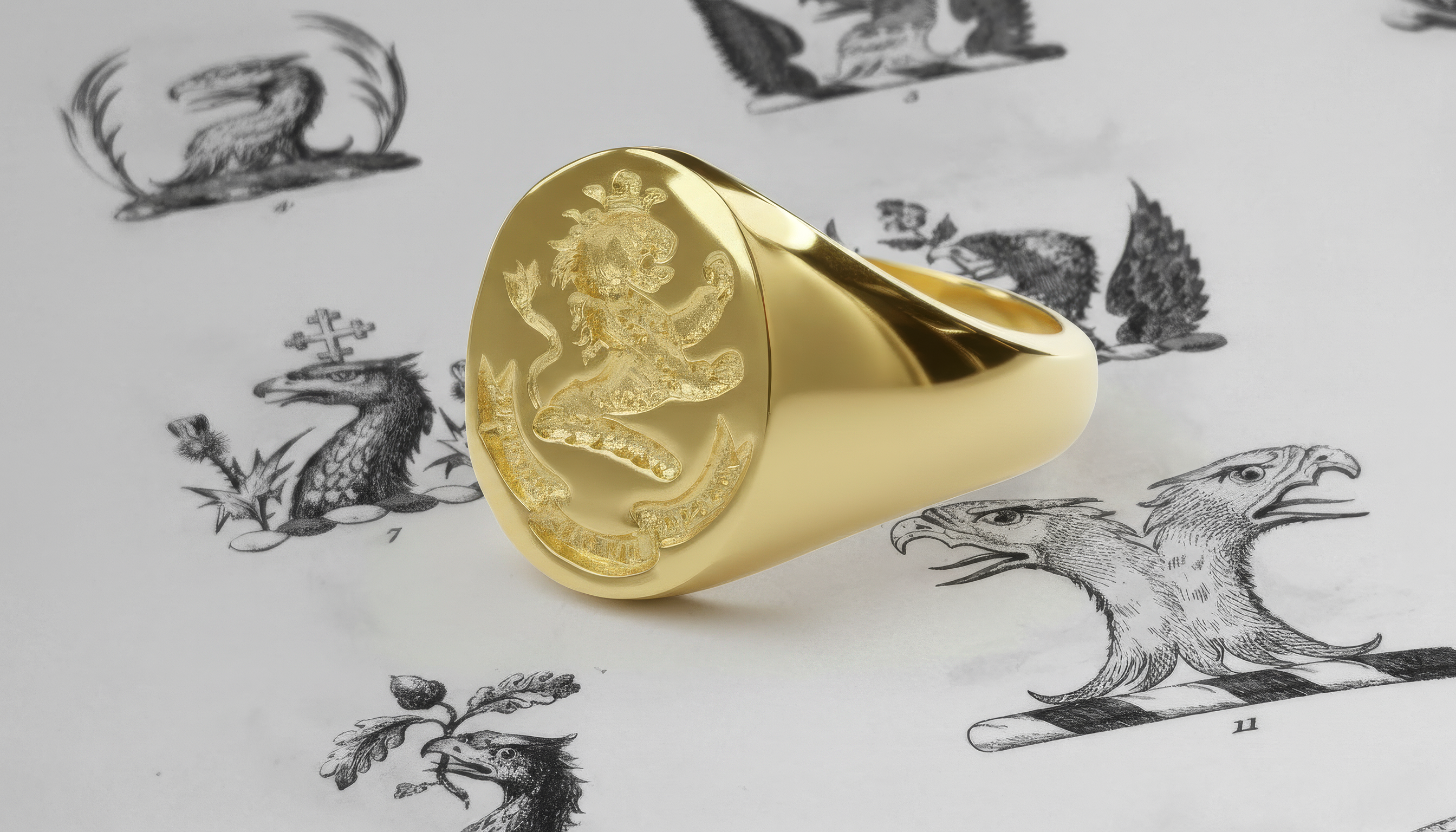
History of signet rings.
Over 4000 years ago Egyptians used signet rings to declare their social status or family. The face featured distinctive hieroglyphs carved deeply into the metal, containing identifying information. Documents were sealed and signed by pressing the ring's carved surface into soft wax.
-
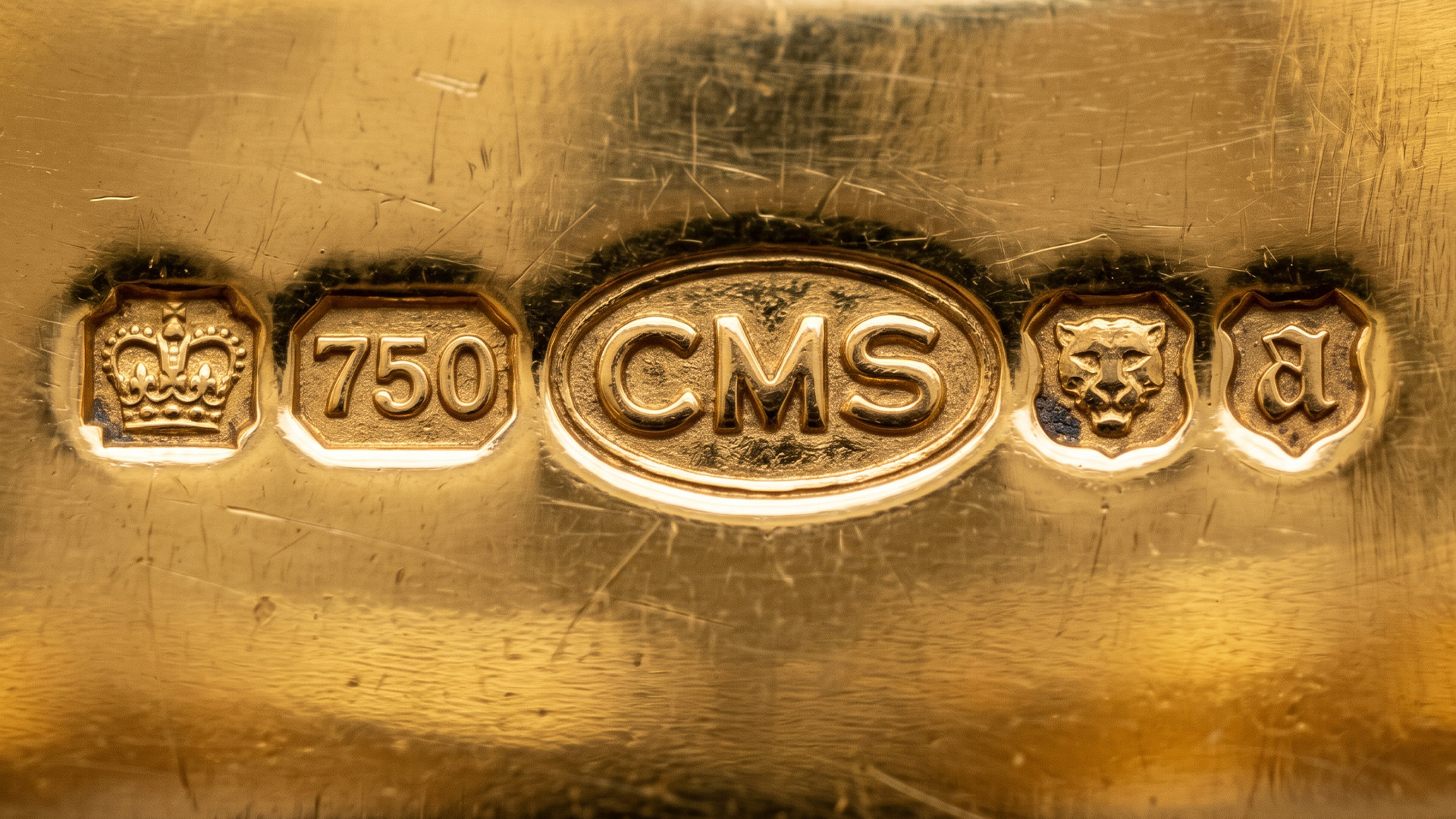
Story of Hallmarking.
The CMS hallmark is a guarantee of quality and proudly continues the earliest consumer protection, which started in 1300.
Subscribe to Studio talk
We aim to send out a newsletter once a month or so. If you’re interested in learning more about jewellery and bespoke design, please consider subscribing. Simply enter your details below: